
Traditional flowcharting tools often fail the people who perform the daily work. Teams frequently spend hours drawing static diagrams that become obsolete almost immediately because they do not reflect actual operational realities.
Sustainable continuous improvement requires a living ecosystem. Business process mapping must show real-world execution, track information flows accurately, and serve as a tool for ongoing organizational learning. Shifting from passive diagramming to collaborative process mapping allows teams to solve real-world problems effectively.
The Problem with Theoretical Flowcharts
Most software treats a process map as a finished document. These standard charts often hide operational friction, manual workarounds, and communication gaps that frontline teams face daily.
Traditional workflow mapping typically lacks a functional feedback loop because:
1. It hides process bottlenecks: Standard shapes do not visually isolate where cross-functional handoffs break down over time.
2. It excludes the frontline: When the people doing the work cannot map their own tasks and information flows simultaneously across a shared timeline, team alignment suffers.
3. It prioritizes documentation over problem-solving: Simply drawing a process does not fix it. Without integrated Root Cause Analysis (RCA), teams end up documenting waste rather than eliminating it.
Traditional enterprise process modeling suites (like Lucidchart, SAP Signavio, or Bizagi) are built primarily for systems engineering, rigid compliance notation, and architectural auditing. They excel at mapping idealized, technical paths. However, real-world enterprise operations do not happen in an ideal environment.
These technical suites are often restricted to specialized architects. When the people who actually execute the daily work cannot easily map, interact with, and update their own timelines, the process map disconnects from operational reality.
Making Breakpoints Visible
The first step toward achieving a reliable lean flow is a willingness to make operational problems visible. See to Solve Flow is built on the principle that abnormalities must be highlighted rather than ignored.
Instead of smoothing over friction points, the platform allows teams to pinpoint exact process breakpoints directly on their operational timeline. This shifts a team’s focus from managing symptoms to isolating system failures. Highlighting a breakpoint provides a clear signal for the team to pause, allowing them to slow down temporarily to build a faster, more reliable process long-term.
Using the Scientific Method in Daily Operations
When an operational breakdown occurs, the default reaction is often a temporary patch. Flow changes this habit by guiding teams through a structured, built-in Root Cause Analysis section.
Rather than guessing at solutions, the platform helps operators apply a scientific approach to their work:
- Formulate Hypotheses: Teams collaborate to define the probable cause of a process deviation.
- Test Variables: Using the live map, operators evaluate their assumptions against real-world tasks and information flows.
- Isolate Root Causes: Teams systematically identify the underlying systemic flaw to ensure the fix is permanent.
Sharing Knowledge Across the Enterprise
An isolated fix only benefits a single department. The true value of process improvement comes from systemic learning.
When a team uses Flow to resolve a complex breakpoint, that newly generated knowledge is not trapped in an isolated email thread or a local spreadsheet. The platform packages those discoveries and distributes the learning across the entire enterprise. Other business units facing similar cross-functional bottlenecks can access this shared intelligence library, which prevents repeated errors and accelerates organizational velocity.
Mapping Actual Workflow Realities
Process mapping should support the people who do the work, not just distant corporate planners. Choosing a platform designed around the scientific method, real-time collaboration, and knowledge sharing allows an enterprise to turn daily operational hurdles into a distinct competitive advantage.
Resources:
- View Steve Spear’s MIT Executive Education course Leading Organizations for High Velocity performance
- Read excerpts from The High-Velocity Edge: Chapters 1, 4, & 5 and Chapter 11 Healthcare
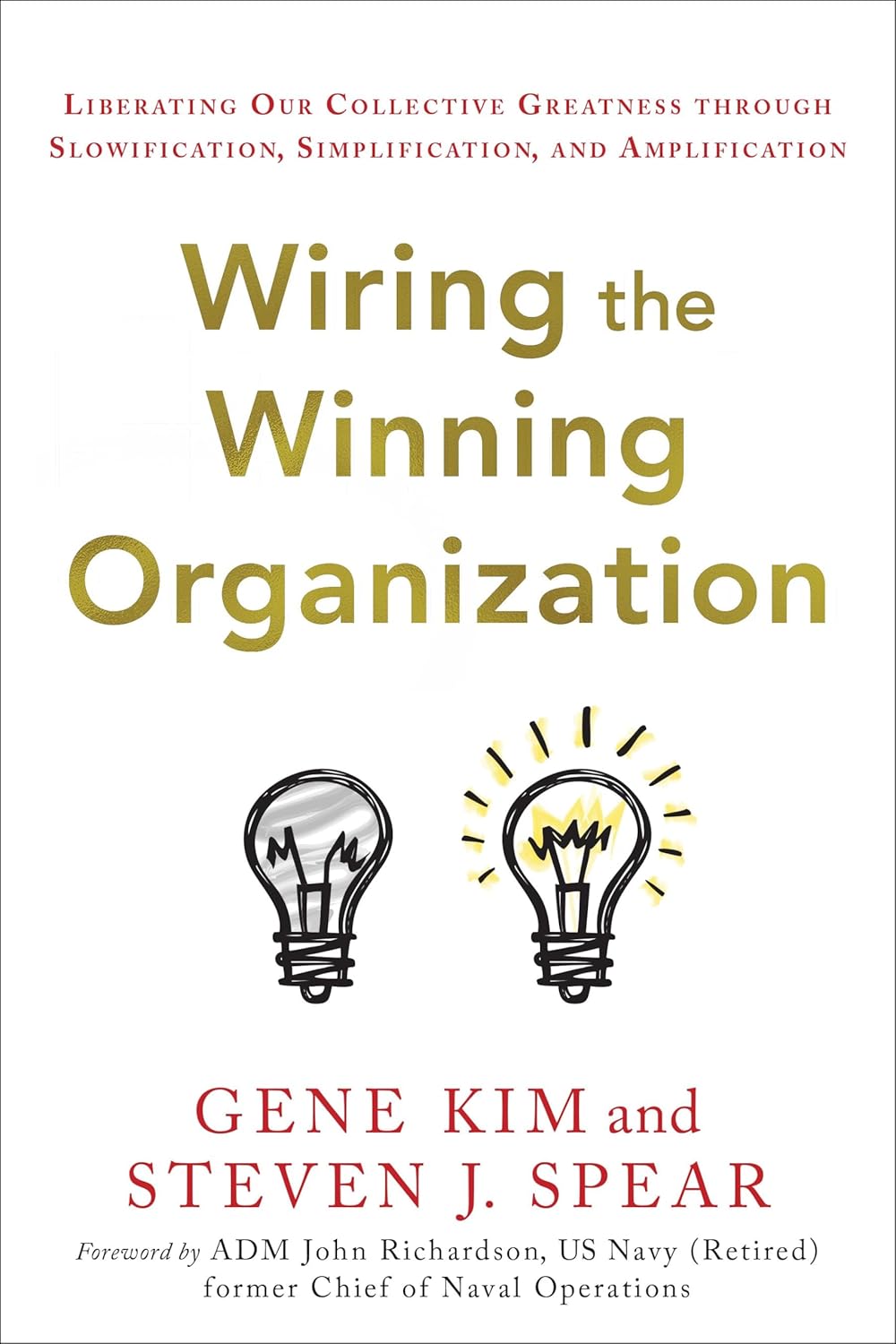
- Read excerpt from Wiring the Winning Organization.
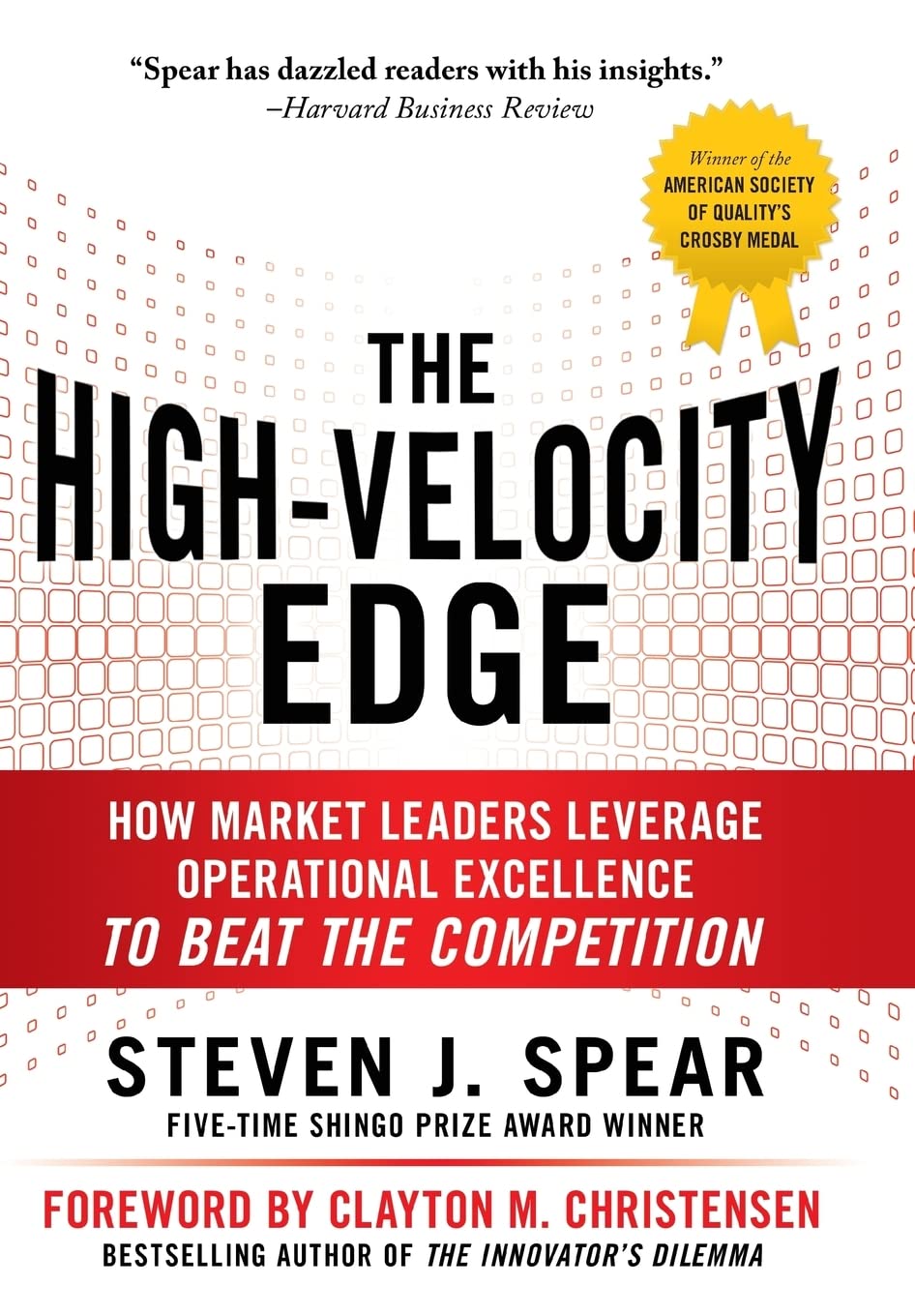
Order Steve’s book, The High-Velocity Edge here
Order Steve’s book, Wiring the Winning Organization here
| Steven Spear DBA MS MS Principal, See to Solve LLC Senior Lecturer, MIT Sloan School of Management Senior Fellow, Institute for Healthcare Improvement Author, The High Velocity Edge Click Here For Steve Spear’s LinkedIn |